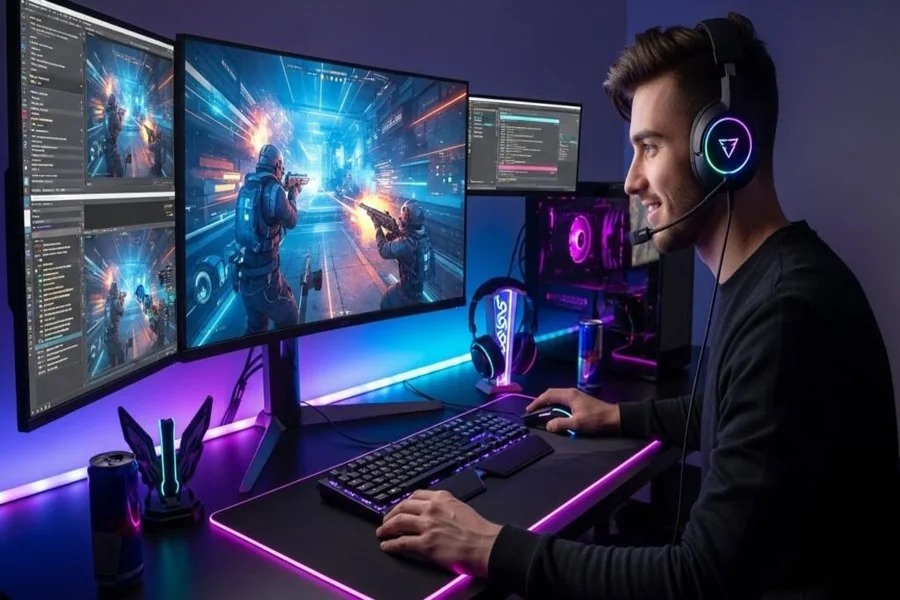
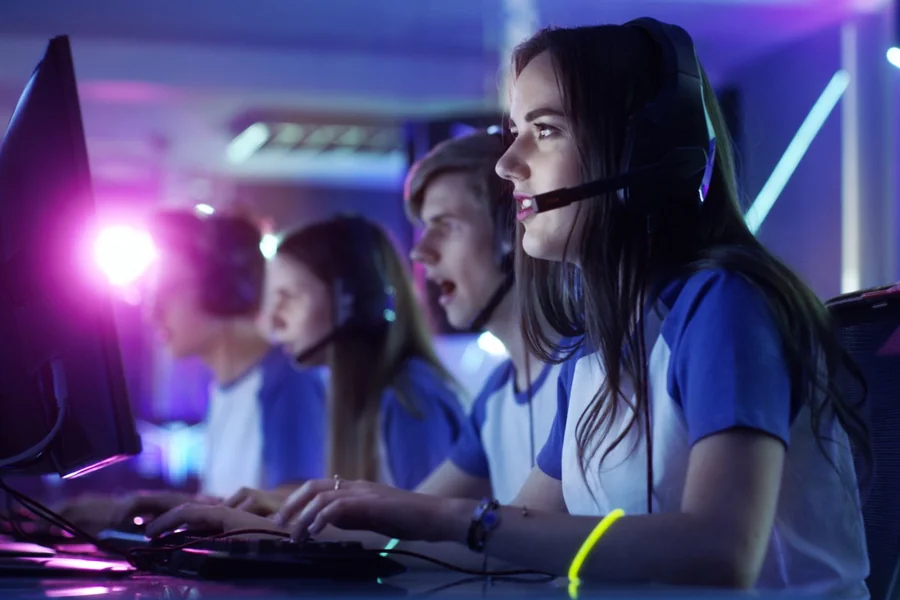
Online slot depo 10k has become one of the most recognizable forms of entertainment in the digital age. What once required a dedicated gaming machine and local opponents can now be experienced through smartphones, computers, and consoles connected to the internet. Players can compete, cooperate, communicate, and explore virtual environments with people from almost anywhere.
The industry has grown alongside improvements in internet speed, hardware performance, mobile technology, and software development. Modern online games are no longer limited to individual matches. Many have developed into persistent digital communities where players return regularly to discover new content and interact with others.
The Beginning of a Connected Gaming Era
The earliest forms of multiplayer gaming were relatively simple. Players often had to share a screen or connect devices through a local network.
Internet connectivity gradually changed this model. Developers could connect players remotely and create online environments that operated continuously.
As technology improved, online gaming became more reliable and capable of supporting larger numbers of users.
Why Online Gaming Has Become Mainstream
Online gaming is now accessible to a broad audience because players have more device options than ever before. A user can play through a smartphone, tablet, computer, or console.
The variety of games is another important factor. People can choose experiences based on their interests, available time, and preferred level of competition.
Regular updates also keep many online games fresh by introducing new features, challenges, and events.
Connecting Players Across Borders
The internet has made geographical distance less important in gaming. A player can join an online session with people living in completely different regions.
This has created international communities where users share strategies, experiences, and interests.
Online tournaments and competitions have strengthened these connections by bringing together skilled players and large audiences.
Real-Time Competition
Competition remains one of the strongest attractions of online gaming. Players can test their abilities against real people rather than predictable computer-controlled opponents.
Rankings and statistics give users measurable goals. Some players enjoy improving their performance, while others simply appreciate the excitement of unpredictable matches.
The competitive element gives online games a strong sense of challenge.
Cooperation Makes Gaming More Social
Online gaming is not always about defeating opponents. Many games are designed around cooperation.
Players may need to complete missions, solve problems, defend locations, or achieve shared objectives.
Team members often have different abilities, which means that effective communication and coordination can determine success.
Virtual Friendships and Communities
Gaming can provide a convenient way for friends to spend time together. Players can communicate while participating in the same digital activity.
Communities also form around popular games. Members exchange advice, share news, organize events, and discuss updates.
For many players, these social connections are an important part of the overall gaming experience.
Mobile Gaming Expands the Audience
The rapid growth of mobile gaming has introduced online experiences to people who may not own traditional gaming equipment.
Modern smartphones can support competitive multiplayer games as well as complex role-playing and strategy titles.
Mobile gaming is also convenient because players can access their games wherever they have a suitable internet connection.
The Importance of Game Variety
Different players look for different experiences. Some prefer fast-paced action, while others enjoy slower strategic gameplay.
Role-playing games appeal to people who like exploration and character development. Sports and racing games provide familiar competitive experiences.
Simulation, survival, puzzle, and adventure games offer additional choices.
This variety helps the online gaming industry reach a broad audience.
Esports and Competitive Careers
The popularity of online competition has contributed to the growth of esports. Professional players participate in tournaments that can attract large audiences.
Esports organizations may employ coaches, analysts, managers, and other specialists.
Competitive gaming has therefore created career opportunities that did not exist on the same scale in earlier generations.
The Influence of Gaming Streamers
Streaming has changed how people consume gaming content. Viewers can watch players compete, learn strategies, and interact with creators during live broadcasts.
Some streamers build communities based on their personalities and communication styles rather than a single game.
Gaming videos and live broadcasts have become a significant part of the wider online entertainment industry.
Community Creativity
Gaming communities often produce content that extends beyond the original games. Players create guides, tutorials, artwork, videos, and other projects.
These contributions can help new players learn and provide experienced users with additional ways to enjoy their favorite games.
A strong community can also encourage developers to continue supporting a title for many years.
The Technology Behind Online Worlds
Online games require advanced technical infrastructure to function smoothly. Servers process information from players and keep shared environments synchronized.
Latency is especially important in competitive games because even small delays can affect gameplay.
Modern hardware and game engines also allow developers to create detailed worlds with advanced physics, lighting, animation, and sound.
Artificial Intelligence Creates New Possibilities
Artificial intelligence is becoming increasingly relevant to the gaming industry. Developers can use AI to improve computer-controlled characters and assist with testing and other production tasks.
In the future, AI may allow games to react more intelligently to individual players.
Characters could remember certain interactions, while missions and challenges might adapt according to player behavior.
Virtual Reality and Immersive Experiences
Virtual reality offers another way to experience online games. Instead of looking at a conventional display, players can enter an interactive digital environment.
Multiplayer VR can allow several people to occupy the same virtual space and communicate through digital avatars.
Although accessibility and hardware limitations remain challenges, immersive gaming could become increasingly important.
Educational and Cognitive Opportunities
Certain online games require players to analyze information, plan actions, solve problems, and make decisions under pressure.
Strategy and simulation games can involve resource management and long-term planning.
When used appropriately, gaming can therefore provide experiences that encourage users to think critically and respond creatively.
The Need for Responsible Gaming
Despite its advantages, online gaming should be approached responsibly. Excessive gaming can take time away from sleep, exercise, education, work, and relationships.
Players should take breaks and maintain a schedule that allows time for other important activities.
A healthy balance helps ensure that gaming remains an enjoyable part of daily life.
Protecting Players Online
Security is another important consideration. Gaming accounts may contain valuable information, making them targets for scams and unauthorized access.
Players should use strong passwords and additional security features whenever available.
They should also be careful about suspicious messages, links, downloads, and requests for personal information.
The Economic Importance of Gaming
Online gaming has become a major commercial industry. Revenue comes from game purchases, subscriptions, advertising, digital content, and various online services.
The industry supports professionals across many fields, including programming, art, animation, marketing, customer service, streaming, and esports.
Continued innovation is likely to create additional economic opportunities.
Cloud Gaming and Accessibility
Cloud gaming allows demanding games to be processed on remote servers rather than entirely on a user’s device.
This could make high-quality gaming accessible to people who do not own expensive hardware.
The success of cloud gaming depends heavily on reliable internet connections, but improvements in network infrastructure could make this technology increasingly useful.
What the Future May Bring
Online gaming is likely to become more connected and personalized. Artificial intelligence could help create adaptive worlds, while cloud technology may make games easier to access.
Virtual reality and augmented reality could introduce new ways for players to interact.
Gaming platforms may eventually combine entertainment, social communication, virtual events, and creative activities into unified digital environments.
Conclusion
Online apk slot has grown from a technological experiment into a major global industry. It provides opportunities for competition, cooperation, social interaction, creativity, and entertainment.
The development of mobile devices, esports, streaming, artificial intelligence, cloud gaming, and immersive technology continues to reshape the industry.
As long as players maintain healthy habits and practice good online safety, gaming can remain a valuable source of entertainment and connection. Its future will likely be defined by increasingly interactive experiences that bring people together in innovative digital environments.