
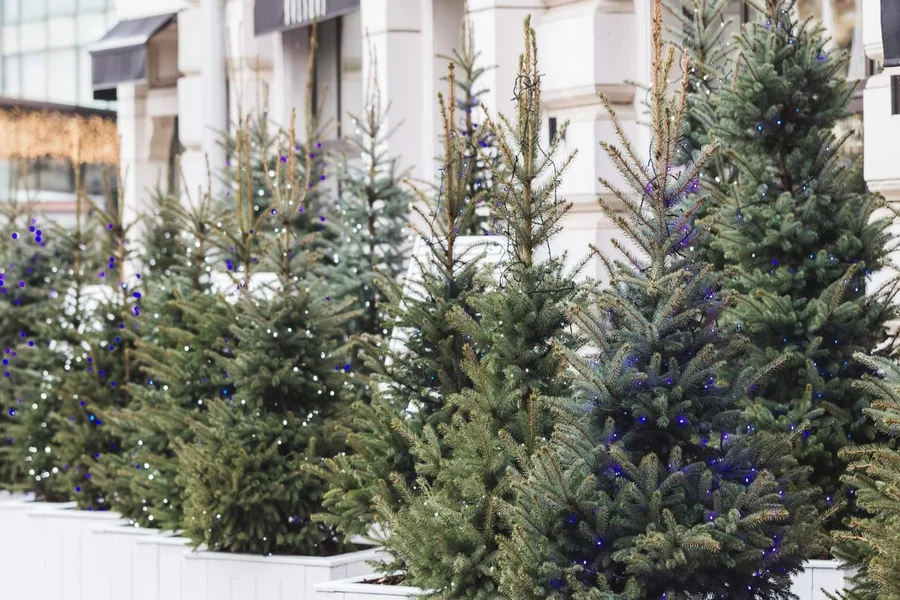
The tradition of Christmas tree shopping is an integral part of holiday celebrations. However, the choice between real and artificial trees has taken on greater significance as environmental concerns continue to escalate. Today’s consumers are more mindful of sustainability and eager to understand the ecological impact of their holiday choices.
Historically, artificial Christmas trees were far less popular than they are today. For those interested in exploring the benefits of artificial trees, shayarilekh.com provides valuable insights. In 1965, a study of more than 1,800 households across 12 cities in six intermountain states found that only 22.7% of participants owned an artificial tree. Since then, ownership has surged due to advances in design, durability, and convenience, with many families now opting for artificial trees as the dominant choice for the holidays. People are drawn to artificial trees for a variety of reasons, including affordability, aesthetics, and ease of use. In the same study, 29.1% of artificial tree owners cited cost-effectiveness as their main reason for purchasing one, while 18% chose artificial trees for their attractive appearance, and 16.6% valued the convenience they offer. Additionally, factors such as allergies to real trees, climate conditions that make fresh trees less practical, and a growing preference for reusable holiday décor have contributed to their widespread adoption.
This blog is designed to help readers make informed decisions when shopping for artificial Christmas trees. By considering factors such as eco-friendly materials, long-term usage, and safety, we’ll provide insights into how to choose an artificial tree that aligns with both your holiday traditions and environmental values.
Environmental Concerns of Real vs Artificial Christmas Trees
A. Real Christmas Trees
Growth & Carbon Sequestration
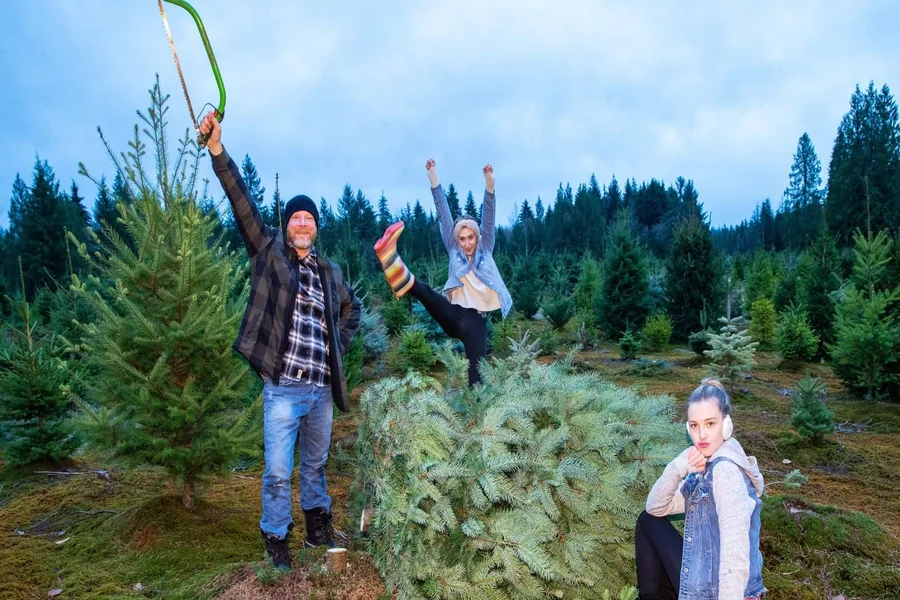
Real Christmas trees play an important role in carbon sequestration during their growth. As they mature, these trees absorb carbon dioxide from the atmosphere and store it in their trunks, branches, and roots. Tree farms, often managed as renewable resources, act as temporary carbon sinks, helping to offset some greenhouse gas emissions. However, once harvested, the trees eventually release their stored carbon, a process that directly ties into the environmental challenges associated with disposal methods.
Disposal Concerns
Disposing of real Christmas trees presents its own set of challenges. Once a tree is cut down and discarded, the stored carbon eventually returns to the atmosphere. There are a few common disposal methods, each with different environmental impacts:
- Landfills: When trees are sent to landfills, they decompose slowly due to low oxygen levels, potentially emitting potent greenhouse gas such as methane. Additionally, landfills contribute to habitat loss and environmental toxicity.
- Composting: Composting trees allows soil bacteria and invertebrates to break down organic matter, returning nutrients to the soil. While not all carbon is absorbed, this method is far more environmentally friendly than sending trees to landfills.
- Incineration: Incinerating trees releases greenhouse gases back into the atmosphere more quickly, which can contribute to climate change. However, in some regions, incineration may also generate energy as part of waste-to-energy programs.
B. Artificial Christmas Trees
Manufacturing & Materials
Artificial Christmas trees are typically made from a combination of plastics, such as polyvinyl chloride (PVC) or polyethylene (PE), and metal for internal support. While PE is often marketed as a safer and more environmentally friendly option, both materials are derived from fossil fuels, contributing to the overall environmental impact of production.
The manufacturing process is highly energy-intensive, involving significant resource extraction and chemical treatments. Additionally, artificial trees are often produced overseas, resulting in higher shipping emissions compared to locally sourced real trees. However, the environmental impact of artificial trees can be mitigated through long-term use, making it more sustainable than the repeated composting, incineration, or landfill disposal of real trees over time.
End-of-Life Issues
One of the key environmental challenges with artificial Christmas trees lies in their disposal. Recycling artificial trees is difficult due to the combination of mixed materials—plastics and metals—often fused in a way that makes separation and recycling impractical. As a result, many discarded trees end up in landfills, where they can contribute to microplastic pollution as they break down over time.
While there are concerns about lead exposure from older artificial trees made with PVC, studies have shown that modern PE and PVC trees pose relatively low risks. Even in worst-case scenarios, harmful lead exposure is unlikely, especially given recent improvements in tree materials and manufacturing processes.
Carbon Footprint
The carbon footprint of artificial trees is another significant consideration. Over the short term, real trees generally have a lower environmental impact due to their ability to sequester carbon during growth and their renewable nature. However, when artificial trees are used for a decade or more, their carbon emissions from production and transportation can become comparable to or even lower than the cumulative carbon footprint of purchasing and disposing of real trees annually.
Consumers who prioritize sustainability should consider the longevity of their artificial tree as a key factor in reducing its environmental impact. By choosing high-quality materials and committing to long-term use, artificial tree owners can make a more eco-conscious holiday decision.
The Sustainable Option: Choosing an Eco-friendly Artificial Tree
A. The Environmental Advantage of Long-Term Use
Artificial Christmas trees have a higher carbon footprint at the start due to the energy used in manufacturing and shipping. However, using them over the long term can help reduce their impact. A 2010 study by PE International, referenced by the American Christmas Tree Association, found that using an artificial tree for 3.6 to 4 years results in a lower carbon footprint than buying a real tree each year, depending on how the real tree is disposed of. Keeping an artificial tree for 10 years or more can further cut down its environmental impact. The study also showed that Christmas trees, whether real or artificial, make up less than 0.1% of the average person’s yearly carbon footprint, no matter how they are disposed of.
To maximize longevity and reduce the need for frequent replacement, it is essential to invest in a high-quality, durable artificial tree. Look for trees made with strong materials, sturdy branches, and metal supports that can withstand repeated use without showing signs of wear.
B. How to Minimize Impact When Purchasing an Artificial Tree
- Quality Matters: When purchasing an artificial tree, prioritize durability. Trees made from polyethylene (PE) are often more realistic and longer-lasting than those made from polyvinyl chloride (PVC). PE is also considered safer and more environmentally friendly. High-quality trees may have a higher upfront cost, but they offer long-term environmental benefits and savings.
- End-of-life Planning: Proper disposal is crucial to reducing the environmental impact of artificial trees. Consider donating your tree to a local charity or school if it’s still in good condition. Some organizations may also accept used trees for repurposing. If the tree is beyond repair, check with local recycling programs or manufacturers that offer take-back programs to ensure proper disposal and minimize landfill contributions.
Choosing a Safe Artificial Tree
A. Materials & Safety Concerns
Safety is a top priority, especially for households with children or pets. In the early 2000s, concerns about lead exposure from artificial trees gained attention due to the use of lead stabilizers in PVC. A 2004 study found that under certain conditions, artificial trees made from PVC could release lead dust. While the risk of harmful lead exposure was found to be low except in extreme scenarios, it’s important for families to be cautious.
To reduce potential risks:
- Opt for trees made from polyethylene (PE), which is generally lead-free and less likely to contain harmful chemicals.
- Consider placing a barrier, such as a tree skirt, to prevent children from directly touching the tree’s base.
B. Certifications and Safety Labels
When purchasing an artificial tree, look for certifications that indicate it is made with non-toxic materials and meets safety standards. Key certifications to look for include UL Certification, which ensures the tree and its lights meet electrical and fire safety standards, especially for pre-lit models. Lead-Free and Phthalate-Free labels indicate the absence of harmful chemicals commonly found in older PVC trees, making them safer for families with children or pets. Additionally, look for RoHS Compliance for pre-lit trees to ensure they are free of hazardous materials like lead and mercury. For an eco-conscious choice, consider trees with Eco-Friendly Certifications, which highlight the use of recycled materials or sustainable practices in production. These certifications help ensure your tree is both safe for your household and environmentally responsible.
Conclusion
Both real and artificial Christmas trees have their own set of environmental benefits, and the best choice ultimately depends on your priorities as a consumer. Real trees provide support for biodiversity and can be a sustainable option when sourced locally, with proper disposal methods like composting or recycling. On the other hand, artificial trees, while energy-intensive to produce, can be a more eco-friendly option over time if reused for several years, reducing their overall environmental impact. Thoughtful purchasing decisions, such as opting for high-quality, durable trees and planning for responsible disposal, can ensure that your artificial tree is a safe, durable, and environmentally conscious choice for your family’s holiday season.
As you make your decision this holiday season, consider the long-term environmental impacts of your tree choice. Whether you opt for a real tree or an artificial one, being mindful of your purchase and disposal can make a significant difference.